Ref No. 2024-WNDW

TAX CREDITS FOR WINDOWS.

A comprehensive technical breakdown of available financial incentives for high-performance fenestration systems. We analyzed current federal and provincial regulations to help you navigate the 25C tax credit and local rebate programs.

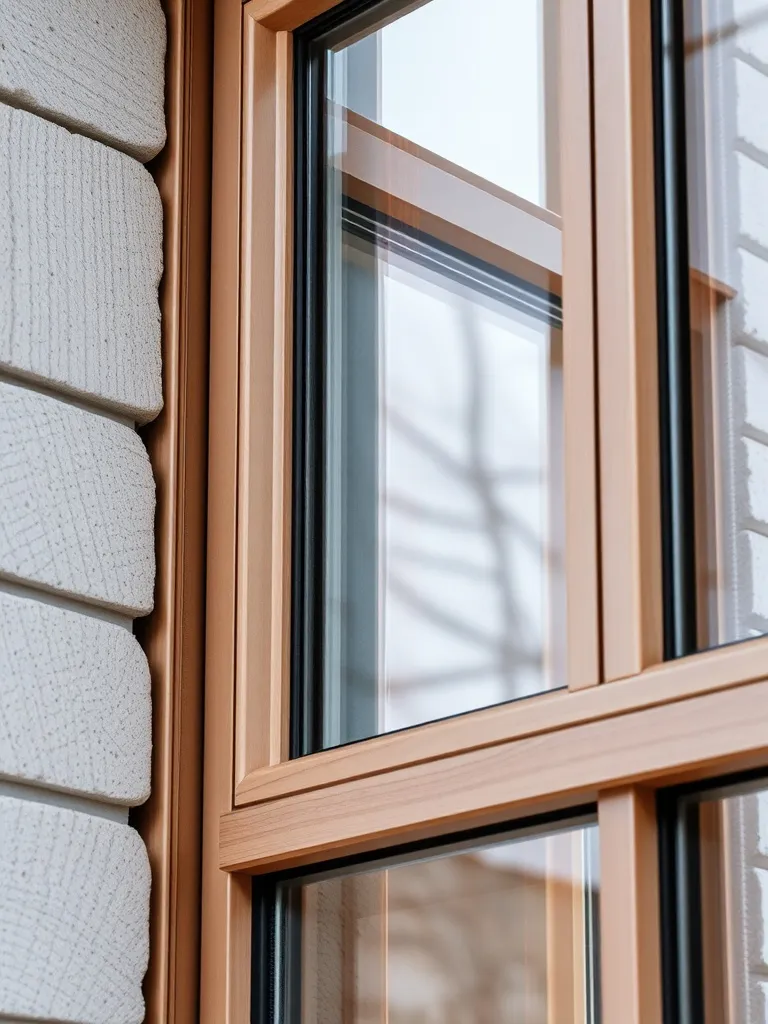
A high-tech close-up of a triple-pane energy efficient windo

Frequently Asked Questions

Understanding the intersection of Energy Star ratings and fiscal returns is critical for maximizing your investment.

01. What is the maximum credit amount for 2024?

Under the Energy Efficient Home Improvement Credit (Section 25C), homeowners can claim 30% of the cost of new exterior windows, up to a maximum of $600 per year. This is part of a larger $1,200 annual limit for general weatherization, which also includes thermal insulation upgrades.

02. Do all double-pane windows qualify?

No. To qualify for federal tax credits, windows must meet the Energy Star Most Efficient criteria for the specific climate zone where the home is located. This typically requires low-E coatings and argon or krypton gas fills to maintain specific U-Factor and SHGC ratings.

03. Can I combine this with heat pump incentives?

Yes. The $1,200 annual cap applies to windows, doors, and insulation, but heat pumps have a separate annual limit of $2,000. You can find more details in our heat pump subsidy database.

Performance Advantages

Thermal Retention

Advanced glazing reduces heat loss by up to 40% during winter months, significantly lowering the load on HVAC systems and extending their operational lifespan.

vector-1

UV Protection

Low-E glass filters out up to 95% of harmful UV rays, preventing the degradation of interior finishes, flooring, and furniture while maintaining high visible light transmittance.

Acoustic Buffering

Laminated glass layers and varied pane thicknesses disrupt sound wave transmission, reducing external noise pollution by as much as 10-15 decibels compared to standard units.

Technical Specifications and U-Factor Analysis

The efficiency of a window is primarily governed by its U-Factor, which measures the rate of non-solar heat loss. For residential applications seeking tax credits, the U-Factor must typically fall below 0.27 for Northern zones. This metric is inversely proportional to the insulating value of the window assembly; the lower the number, the better the window performs at retaining heat. In addition to the U-Factor, the Solar Heat Gain Coefficient (SHGC) measures how much solar radiation passes through the glass. Balancing these two numbers is essential for regional compliance.

"Data from the Department of Energy suggests that replacing single-pane windows with Energy Star certified products can save an average of $101–$583 a year on energy bills, depending on the local climate and home size."

Criteria for Compliance

  • 01/ Glazing Material: Must utilize specialized coatings (Low-E) to reflect infrared light while allowing visible light to pass.
  • 02/ Gas Fills: The space between panes should be filled with inert gases like Argon or Krypton to reduce convective heat transfer.
  • 03/ Spacer Systems: Warm-edge spacers are required to minimize condensation and heat loss at the glass edges.

When applying for the 25C credit, documentation is paramount. Homeowners must retain the Manufacturer’s Certification Statement and the Energy Star label from each installed unit. These documents verify that the product meets the specific requirements for the tax year in question. It is also worth noting that labor costs for window installation are NOT covered under the federal tax credit, unlike solar panel installations where labor is often included in the credit calculation.

Market Statistics

According to 2023 industry reports, high-performance window retrofits offer a 68% return on investment (ROI) in home resale value, making it one of the most effective structural upgrades.

Audit Integration

A professional energy audit is often a prerequisite for provincial rebate programs. Check our Audit Procedures for a checklist of required tests.

Ready to Upgrade?

Consult the Regulatory Document Library to ensure your selected window models meet the latest 2024 performance standards before purchasing.

Application Deadline: December 31, 2024 for current tax cycle