Federal Grant Cap
I found that the Canada Greener Homes Initiative provides up to $5,000 for solar PV systems. This covers a significant portion of the initial hardware procurement costs for systems exceeding 1.0 kW.
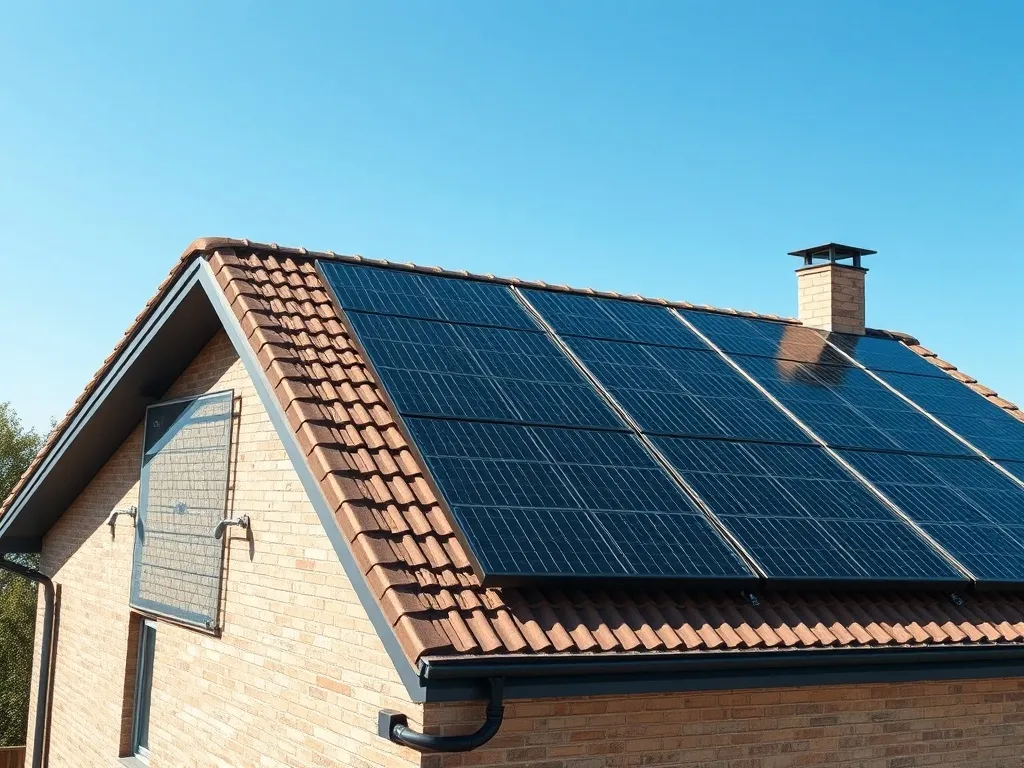
A comprehensive engineering breakdown of federal grants, tax credits, and municipal incentives available for photovoltaic system integration in 2024.
Calculate Potential SavingsI found that the Canada Greener Homes Initiative provides up to $5,000 for solar PV systems. This covers a significant portion of the initial hardware procurement costs for systems exceeding 1.0 kW.
Check this out: the federal government offers interest-free loans up to $40,000 with a repayment term of 10 years. This effectively eliminates the liquidity barrier for high-efficiency panel arrays.
Most provinces allow you to "sell" excess energy back to the grid. This isn't a direct payment but a credit on your utility bill, often offsetting 100% of winter consumption costs.
Navigating the federal subsidy landscape requires a technical understanding of the Canada Greener Homes Grant. This program is specifically designed to reduce the carbon footprint of residential buildings by incentivizing the transition to renewable energy. To qualify, homeowners must first undergo a pre-retrofit Energy Audit conducted by a certified NRCan advisor.
The grant provides $1,000 per kilowatt (kW) of installed capacity, capped at $5,000. For a standard 5kW residential system, this covers roughly 25-30% of the total installation cost. It is critical to note that all equipment must be on the approved products list to ensure high conversion efficiency and long-term durability in northern climates.
Solar panels often work best when combined with other upgrades. For instance, if you are also looking into Heat Pump Subsidies, the combined energy savings can reduce your home's operational costs to near zero. The synergy between high-efficiency heating and local power generation is the gold standard for modern eco-renovations.
"The integration of solar PV with thermal improvements like advanced insulation creates a closed-loop energy system that maximizes the ROI of every federal dollar spent."
The average cost of a 7.5kW residential solar system in Canada ranges from $18,000 to $25,000. By applying the maximum grant and the interest-free loan, the immediate cash outlay can be reduced to the cost of the initial audit.
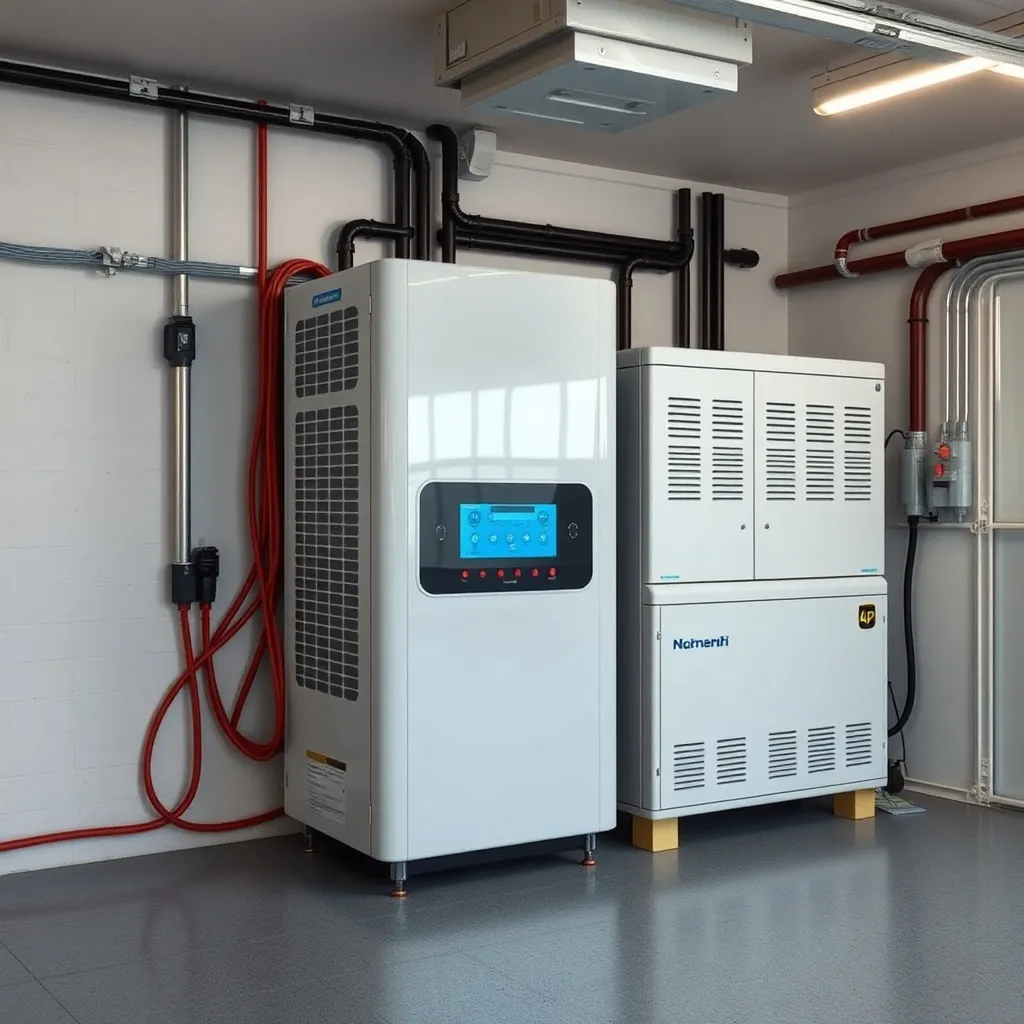
Before panels are mounted, a structural engineer must verify that the roof trusses can handle the dead load of the PV array plus the local snow load requirements. In many cases, reinforcing the roof is a prerequisite for insurance coverage and municipal permits.
All wiring must comply with the Canadian Electrical Code (CEC). This includes the use of rapid-shutdown devices for firefighter safety and specific labeling on the main service panel to indicate a dual power source.
Optimal performance in the Northern Hemisphere requires a south-facing orientation at a tilt angle roughly equal to the local latitude. Professional installers use LIDAR data to calculate shading from nearby trees or chimneys to ensure maximum irradiance.
To receive financial aid, the system must be grid-tied. This requires a signed Interconnection Agreement with your local utility provider, which outlines the terms of net metering and the technical specifications of the bi-directional meter.
No. Federal and provincial grants require installation by a licensed electrical contractor to ensure safety and adherence to the building code. Self-installed systems are generally ineligible for financial aid.
The Canada Greener Homes Grant specifically targets the PV panels and inverters. However, the interest-free loan can be used to finance battery storage systems (like the Tesla Powerwall) as part of a larger energy retrofit.
Typically, the process takes 4 to 6 months from the final post-retrofit audit submission. It is recommended to keep all digital copies of receipts and reports in the Regulatory Document Library for quick access during the review period.
Start with a professional evaluation to lock in your federal grant eligibility before the current funding cycle concludes.